Fire Safety · Mariposa County
How Weed Eating Prevents Structure Fires in Rural California
Last updated: May 2026 | Written by the team at Fire Reduct, serving Mariposa, Oakhurst, and Coarsegold
If you live in Mariposa County, Oakhurst, or Coarsegold, you already know the rule: when fire season hits, it's not if a wildfire comes through — it's when. But here's what most rural homeowners get wrong about wildfires: the wildfire itself usually isn't what destroys your house.
The grass around your house is.
A wildfire in the trees can sweep past your property and leave the structure standing. A wildfire that finds two feet of dry grass against your siding will burn your home to the foundation. The difference often comes down to one thing: whether someone took a weed eater to the property before fire season started.
This is why California requires 100 feet of defensible space around every structure in a State Responsibility Area under Public Resources Code 4291. Weed eating — boring, unglamorous, sweaty work — is one of the most important fire prevention steps a rural homeowner can take.
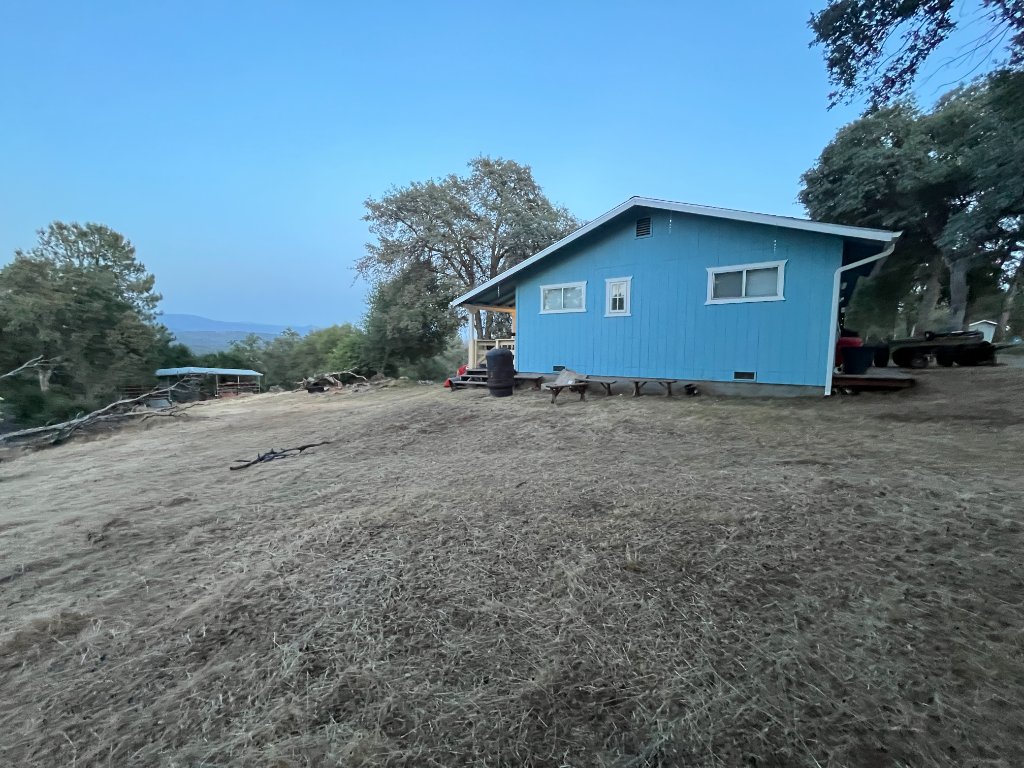
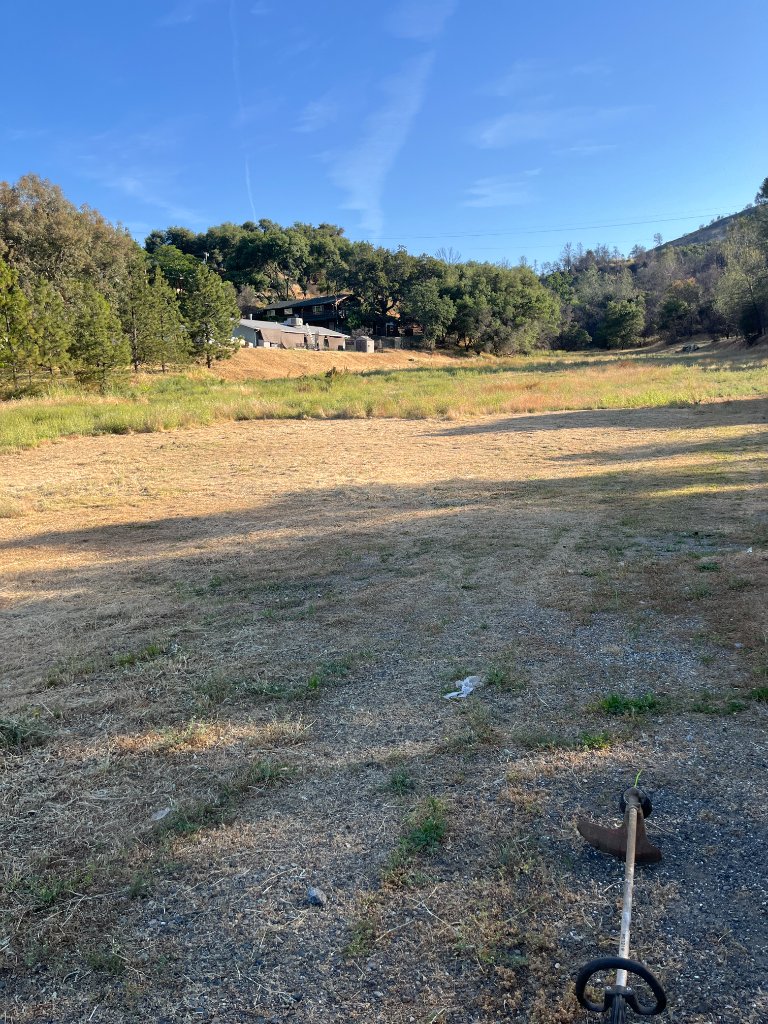
Professional weed eating on a Mariposa County property
How structure fires actually start during a wildfire
When a wildfire approaches a home, it doesn't usually arrive as a wall of flame. It arrives as embers. Wind-driven embers can travel a mile or more ahead of the main fire front — a phenomenon documented extensively by NIST's Wildland Urban Interface research program.
Embers land on roofs, in gutters, against fences, and — most dangerously — in dry grass and weeds near the structure. A single ember in tall, dead grass can ignite a ground fire in seconds. That fire climbs into shrubs, leans against siding, and the structure is gone.
CAL FIRE's post-fire investigations consistently show the same pattern: homes that burn during wildfires usually ignite from vegetation within 30 feet of the structure — not from direct flame contact with the wildfire itself. The Insurance Institute for Business & Home Safety (IBHS) reached the same conclusion in their own independent research.
What weed eating actually does
Weed eating for fire safety isn't lawn maintenance. It's fuel reduction. The goal isn't a tidy yard — it's removing the fine fuels that turn a passing ember into a structure fire.
- 1
Removes fine fuels. Tall grass, dry weeds, and dead brush are what fire scientists call '1-hour fuels' — they ignite almost instantly from an ember. Cutting them to under four inches strips out the material that catches fire fastest. The USDA Forest Service classifies grass as the most ignition-prone fuel type in the Sierra Nevada foothills.
- 2
Breaks the fuel ladder. Fire climbs. It starts in grass, jumps to shrubs, climbs into low tree branches, and ends up in the canopy. Removing the grass layer breaks the bottom rung of that ladder.
- 3
Slows the fire's approach. A wildfire moving through cleared ground burns slower and cooler than one moving through chest-high grass. That gives firefighters a chance to defend the structure — and gives you time to evacuate.
- 4
Creates a workable defense zone. Firefighters won't risk their lives defending a property they can't safely stand on. A cleared 100-foot zone is what makes your home defensible.
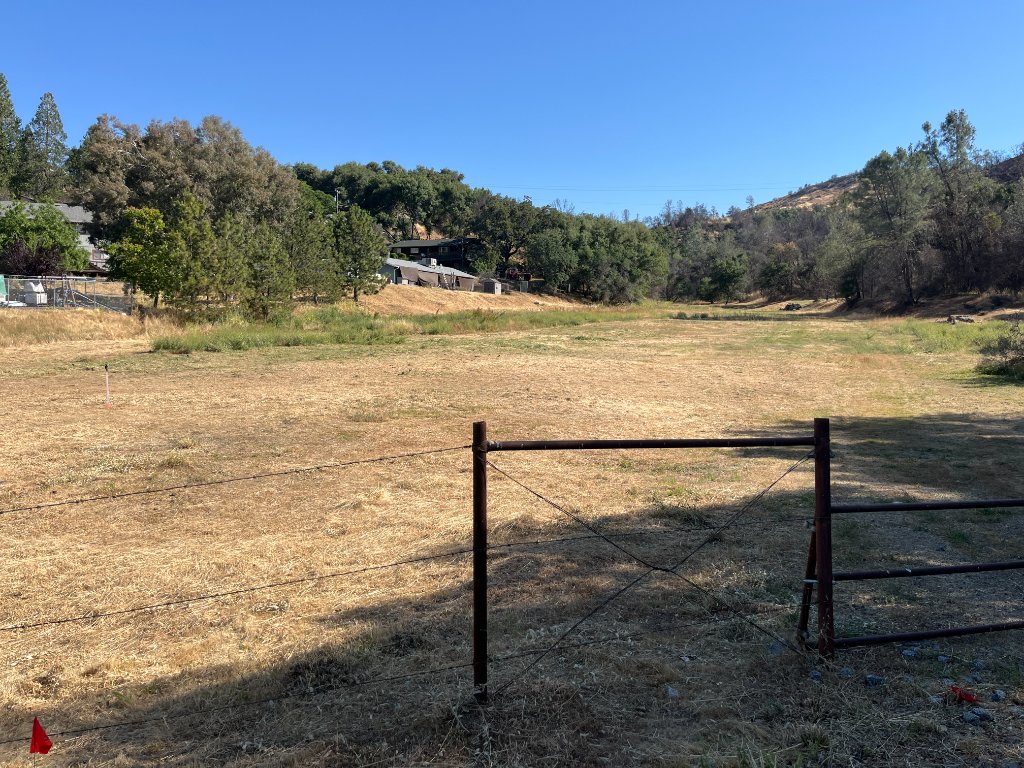
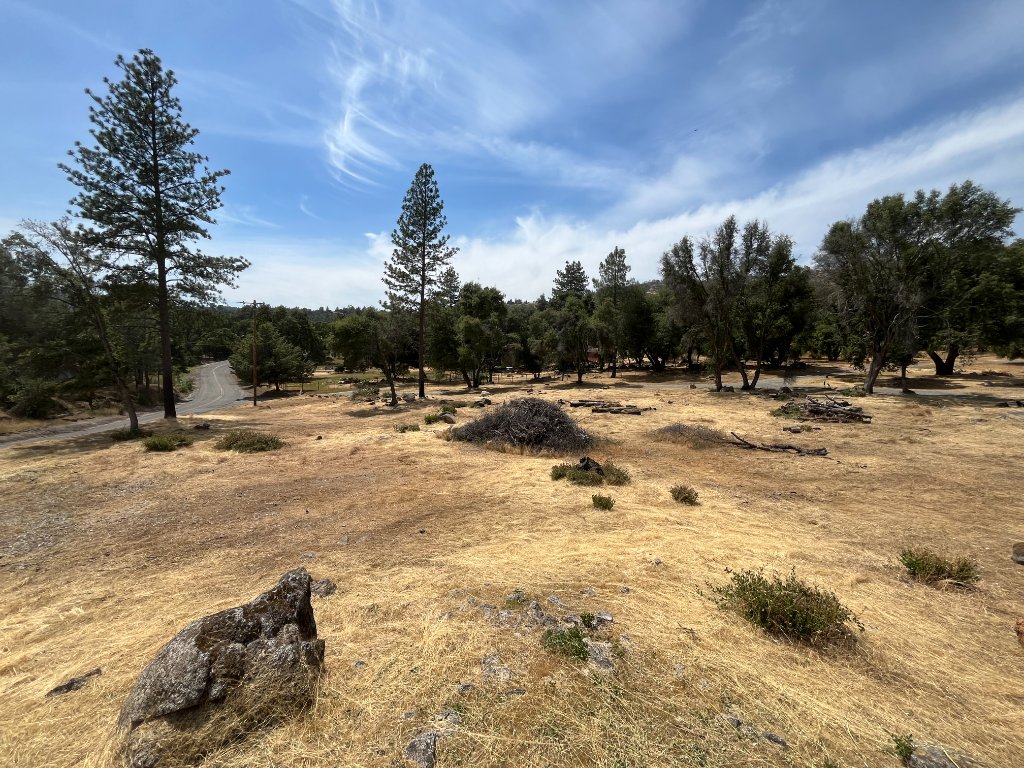
Cleared defensible space — the result of proper fire-safe weed eating
Why "100 feet" is the standard
California's Public Resources Code 4291 requires 100 feet of defensible space around every structure. CAL FIRE's Ready for Wildfire program divides that distance into three zones:
Zone 0 (0–5 feet) — Ember-resistant zone
No combustible mulch, clear gutters and roof, nothing combustible against the siding. Created under AB 3074 (2020).
Zone 1 (5–30 feet) — Lean, clean, and green
Grass cut short, no dead vegetation, no woodpiles, branches trimmed away from the roof. This zone decides whether your house survives.
Zone 2 (30–100 feet) — Reduced fuel zone
Grass under four inches, brush thinned, dead material removed, spacing between shrubs. Skipping this zone is the most common compliance mistake.
Skipping Zone 2 is a common mistake. A wildfire moving through tall grass at 60 feet generates enough radiant heat to ignite siding — no direct flame contact required. Our fire clearance service covers all three zones in a single visit.
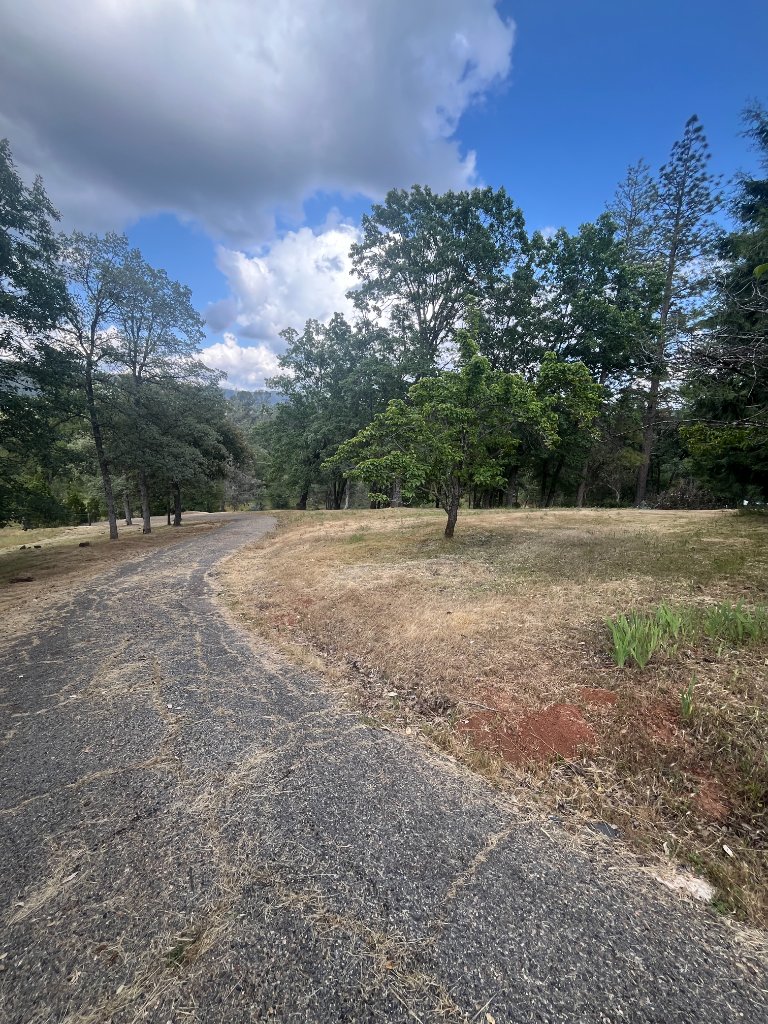
Zone 2 fuel reduction on a Mariposa County hillside property
The mulching detail that matters
Here's something most weed-eating services get wrong: cutting the grass isn't enough. Leaving clippings in thick clumps creates a layer of dead, dry fuel on the ground — essentially the same fire hazard, just shorter. Embers ignite clumped clippings even faster than standing grass because the material is already dead.
Proper fire-safe weed eating mulches cut material into fine dust that scatters and decomposes. This is the difference between a property that looks cleared and one that is cleared — a distinction the UC Cooperative Extension Wildfire Program specifically flags as a compliance issue.
What the fire inspection actually checks
Mariposa County and CAL FIRE inspectors check specific, measurable things. Failing an inspection isn't just a fine risk — it's increasingly a trigger for insurance non-renewal. CAL FIRE shares compliance data with carriers in many cases. The official checklist is available at readyforwildfire.org:
- Grass height under four inches within 100 feet of structures
- No dead vegetation, dead branches, or accumulated dry leaves
- 10 feet of clearance around propane tanks, generators, and outbuildings
- Tree branches trimmed at least 10 feet from chimneys
- No woodpiles or combustible storage within Zone 1
- Roof and gutters clear of dry leaves and needles
The Mariposa County wildfire record
Mariposa County's wildfire history puts all of this in context. The 2017 Detwiler Fire burned over 81,000 acres and destroyed 63 structures. The 2018 Ferguson Fire closed Yosemite National Park for weeks. The 2022 Oak Fire burned 19,244 acres just south of Yosemite in under three days.
Post-fire investigations of all three events reinforced the same pattern: homes with maintained defensible space survived at dramatically higher rates. The Headwaters Economics Structure Loss Study analyzed the data and found defensible space to be the single most effective factor in structure survival.