Insurance · Fire Safety · Mariposa County
Will My Homeowner's Insurance Drop Me if I Don't Clear Defensible Space?
Last updated: May 2026 | Written by the team at Fire Reduct, serving Mariposa, Oakhurst, and Coarsegold
The short answer: yes, they can, and increasingly they will. If you live in Mariposa County, Oakhurst, Coarsegold, or anywhere else in California's fire zones, defensible space has crossed the line from "good idea" to "condition of staying insured." In 2026, more California homeowners are losing their insurance over vegetation issues than at any point in the state's history, and the trend isn't slowing down.
This guide walks through exactly what's happening with California homeowner's insurance right now, why insurers care so much about defensible space, what your real options are if you've already been non-renewed, and what you can do today to protect your coverage. If you need to act fast, see our fire clearance service — we provide insurance-ready documentation with every job.
The California insurance crisis, in plain terms
State Farm, Allstate, Farmers, USAA, The Hartford, AIG, and Chubb have all either stopped writing new policies in fire-prone areas or begun aggressively non-renewing existing ones. According to the California Department of Insurance, major carriers non-renewed more than 2.8 million policies statewide between 2019 and 2024. When homeowners can't find a private carrier, they're pushed to the California FAIR Plan — the state's insurer of last resort — which costs two to three times more and only covers fire and smoke.
According to a California Legislative Analyst's Office report, more than 10 percent of California homeowners now lack fire insurance entirely. The ones who still have it face premiums that have doubled or tripled. Defensible space compliance under PRC 4291 is the single biggest property-level factor insurers use to make underwriting decisions.
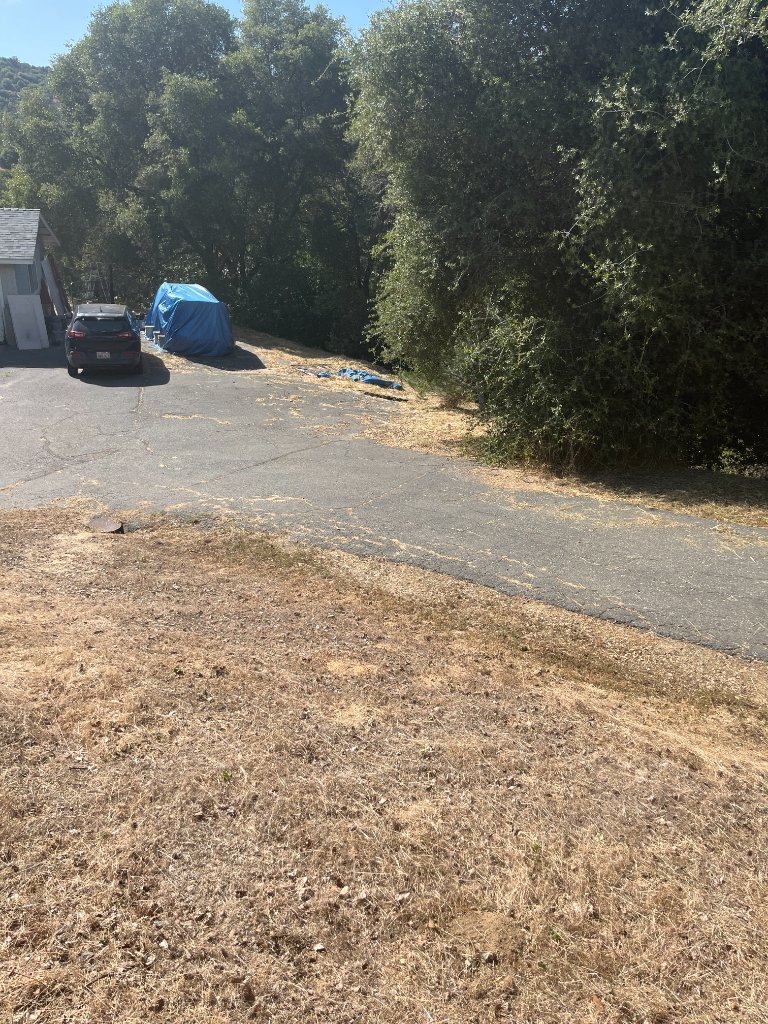
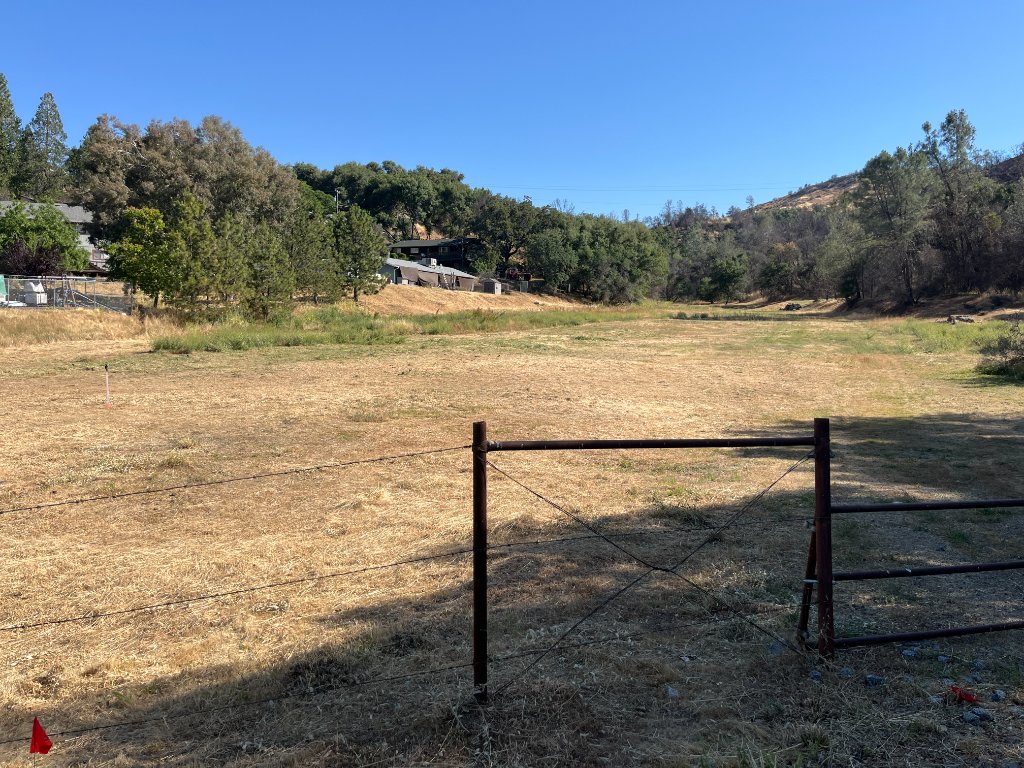
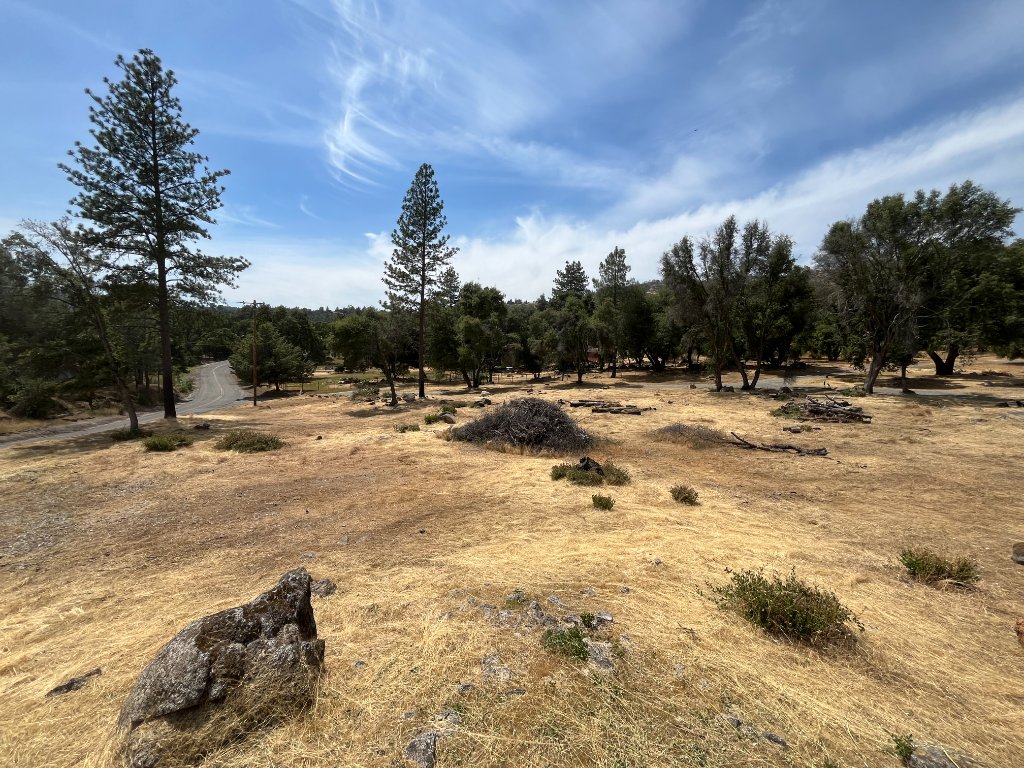
Professional fire clearance — documented work that supports insurance renewals
How insurers check your property in 2026
California carriers are doing this in three concrete ways:
Pre-renewal inspections. Many carriers now send their own inspectors to physically walk your property before deciding whether to renew. They check the same things CAL FIRE checks under PRC 4291.
Aerial and satellite imagery. Carriers use aerial photography and machine-learning analysis to identify properties with excessive fuel loading without ever sending a human. Research by the IBHS confirms this technology can reliably identify non-compliant vegetation from the air.
CAL FIRE inspection data. Insurance carriers increasingly cross-reference CAL FIRE's PRC 4291 compliance records. If you've failed a CAL FIRE inspection, assume your insurer knows or will know soon.
The 2026 laws every California homeowner should know
Establishes a grant program through the California Department of Insurance to help low- and moderate-income homeowners pay for fire-safe roofs and Zone 0 mitigation work. Applications are expected to open in 2026.
Requires the Department of Insurance to regularly review and update its 'Safer from Wildfires' regulations, which mandate that insurers offer discounts for defensible space and home hardening.
Shores up the FAIR Plan financially after the 2025 Southern California wildfires drained reserves. Gives the FAIR Plan access to catastrophe bonds and lines of credit.
Prohibits insurance non-renewal for one year after a declared wildfire emergency in affected ZIP codes. Does not provide long-term protection.
The discount math: what defensible space is worth
California's Department of Insurance Safer from Wildfires regulations require carriers to offer mitigation discounts. In 2026 these typically break down as:
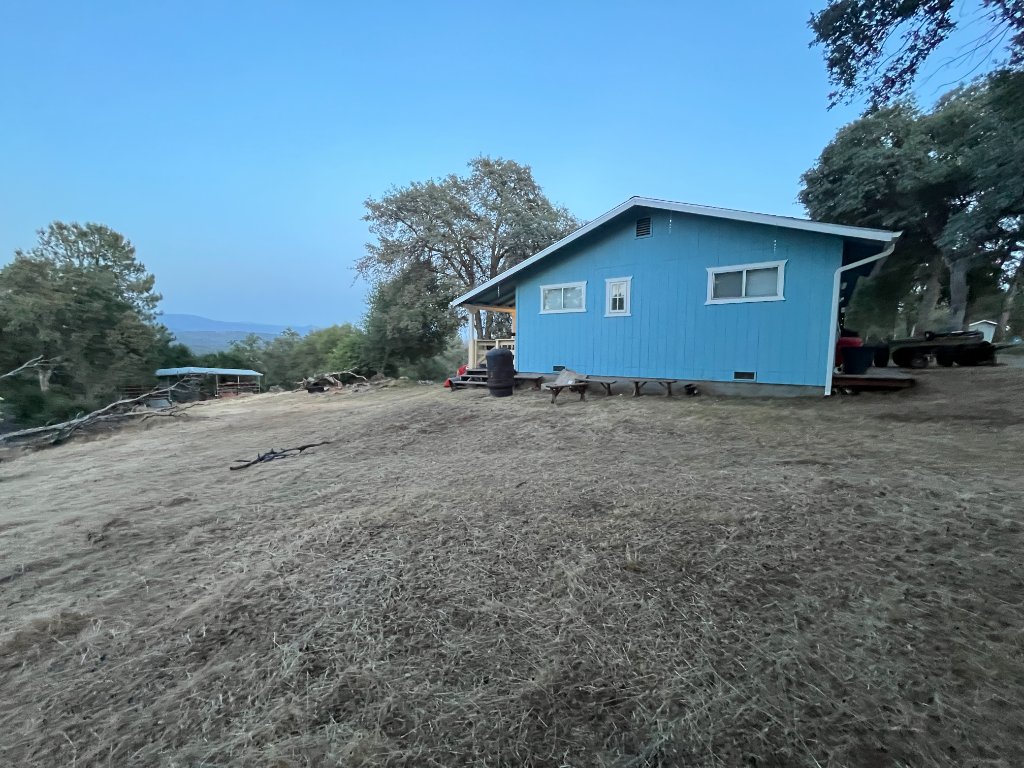
Brush clearing and weed eating crew at work — documentation provided for insurance purposes
What to do if you've already been non-renewed
- 1
Read the non-renewal notice carefully. Identify the specific reasons cited. If it's defensible space, the notice should list the issues.
- 2
Fix the issues immediately. Get defensible space clearance done as fast as possible. Document everything with before-and-after photos and contractor invoices.
- 3
Request a re-inspection. Many carriers will re-inspect after mitigation work is complete. Submit in writing with documentation. This reverses non-renewals often enough to be worth trying every time.
- 4
Shop the private market aggressively. Call a California-licensed independent insurance broker (not a captive agent). The California Department of Insurance maintains a consumer resource page with guidance on finding coverage.
- 5
Look into surplus lines insurance. Excess & Surplus (E&S) carriers can write policies that admitted carriers refuse. You specifically need a surplus lines broker with California fire zone experience. California surplus lines transactions more than doubled in 2025.
- 6
If all else fails, the FAIR Plan. The California FAIR Plan is guaranteed if you've been denied by other carriers. Pair it with a Difference in Conditions (DIC) policy for full coverage equivalent. Treat it as a temporary bridge while you improve the property.
What insurers actually look for during inspection
The checklist mirrors the CAL FIRE defensible space zones, but insurance inspectors are less forgiving — there's no second chance. The IBHS Wildfire Prepared Home standards inform many carriers' inspection criteria:
Zone 0 (0–5 ft)
No combustible mulch, no firewood against the house, gutters clear, roof clear, no vegetation touching siding
Zone 1 (5–30 ft)
Grass max 4 inches, no dead plants, tree branches 10 ft from chimneys, shrub spacing maintained
Zone 2 (30–100 ft)
Annual grass cut to 4 inches, fallen needles and cones cleared, dead trees removed, trees limbed 6 ft up
Other structures
10 ft clearance around propane tanks; outbuildings and sheds maintained to same standard as the main home
Frequently asked questions
Can my insurance company really drop me just for tall grass?
Yes. Tall grass within your 100-foot defensible space zone is a PRC 4291 violation, and California carriers treat it as a documented underwriting risk. We've seen non-renewals over conditions homeowners didn't think were significant.
Does the post-wildfire non-renewal moratorium protect me?
California's SB 824 moratorium prohibits non-renewal for one year following a declared wildfire emergency in affected ZIP codes. It doesn't protect you long-term and doesn't apply if there hasn't been a recent declared emergency in your area.
Will defensible space alone get me back with a private carrier?
Not always, but it's a necessary starting point. The path back to private coverage typically requires defensible space, home hardening, and time — sometimes one to two years on the FAIR Plan before private carriers reconsider.
Are insurance discounts for defensible space guaranteed by law?
California's Safer from Wildfires regulations require insurers to offer mitigation discounts, and AB 1 (effective January 1, 2026) requires the Department of Insurance to regularly update these requirements. Specific discount amounts vary by carrier — always ask what your insurer offers and what documentation they need.